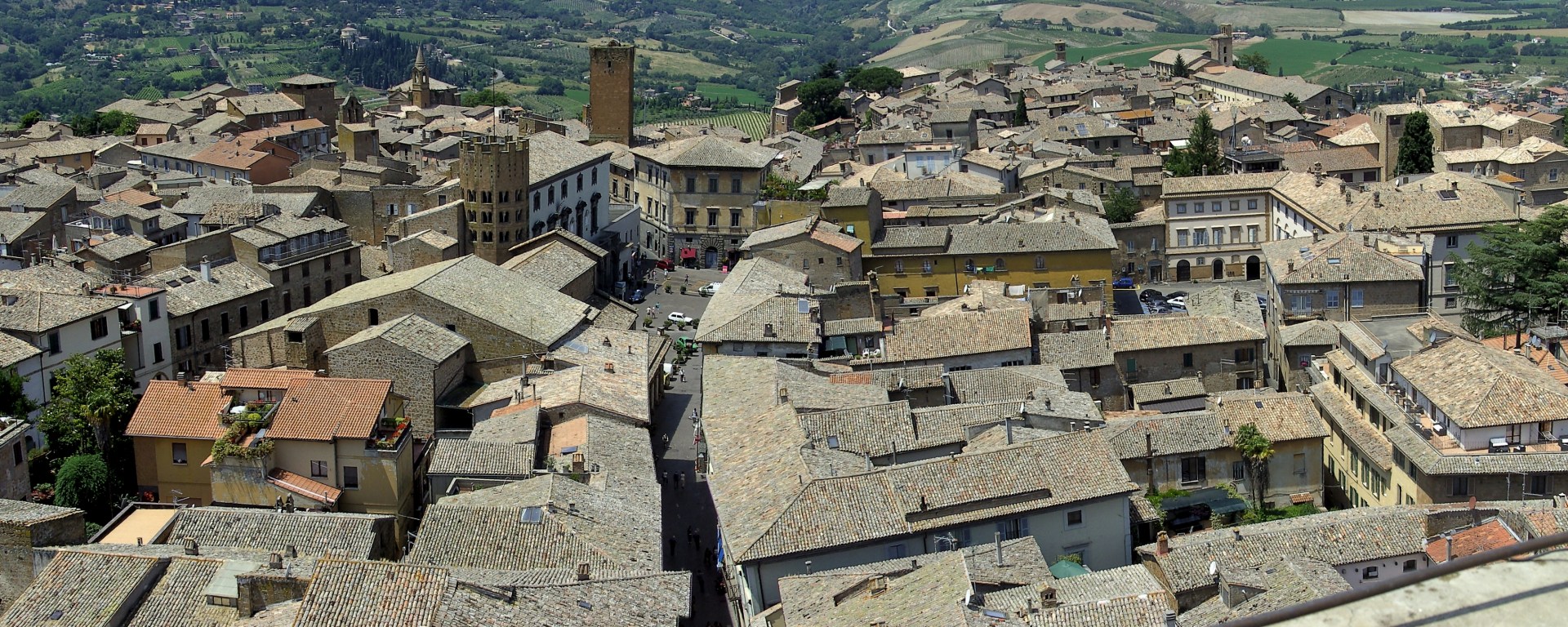
Orvieto is a magnificent city nestled on a cliff, and it is a symbol of the extraordinary integration between nature and the work of man. This relationship between nature and the man architecture has been known for long and it is encypted on the famous in Orvieto, in the well of San Patrizio, there you can read “Quod natura munimento inviderat industria adiecit”, meaning, “What nature denied for defense was added by the work of man”. In this case, the water.
Orvieto is located between Rome and San Marino, plan your trip before and make sure to include this beautiful place.
If you are visiting Orvieto, you will be in touch with the city and itst history, with thraces of almost three thousand years. In the city gates you can find two statues of Boniface VIII (Pope in the XIII century), one in each side of the city, this is the journey you should follow as a tourist, one at the beginning, the other at the end.
Boniface VIII is forever in the town due to his visit. He entered throught the Porta Soliana, also known as Porta Rocca, and then he left Orvieto through the Porta Maggiori.
These two statues are specially important for the city, since they serve as a symbol of attention to the city merits and traditional hospitality. In the past you would count with the help of the locals to reach the top of the cliff on a mule.
Nowadays you can reach the top of the cliff in a modern way, the funicular offers a good mobility between the city and the cliff. It is interesting that the modernized funicular has its place since the nineteenth century, when it was run by water.
Fanum Voltumnae is one of the most important shrines of the Etruscan Federation, from the old time between the sixth and the third century B.C. There are various elements still there to tell the history of an ancient city structure that may be called Velzna. There are other structures such as the Temple of Belvedere and the Tuscan Temple that are probably from those times.
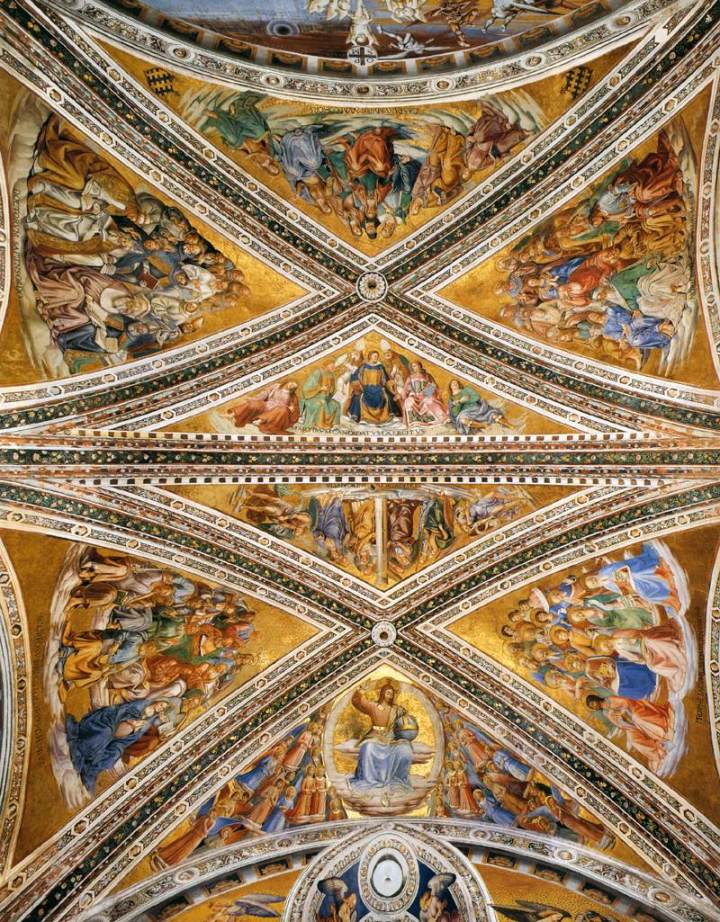
While in Orvieto, you should also visit the Doomsday or “the End of the World” frescoed by Signorelly in the Chapel of San Brizio in the Cathedral. It was probably done between 1499 and 1503, in the end of the middle ages, when the discoveries were about to change the world. The classic portico and the elegant buildings from various periods are there to be discovered as you walk by the narrow streets from the medieval design, showing a city that despite the modifications and centuries passing by, did not lose any charm.
Hotel Suggestions:
Duomo Hotel Orvieto by the Duomo
 Eurovel